
Where it all began,
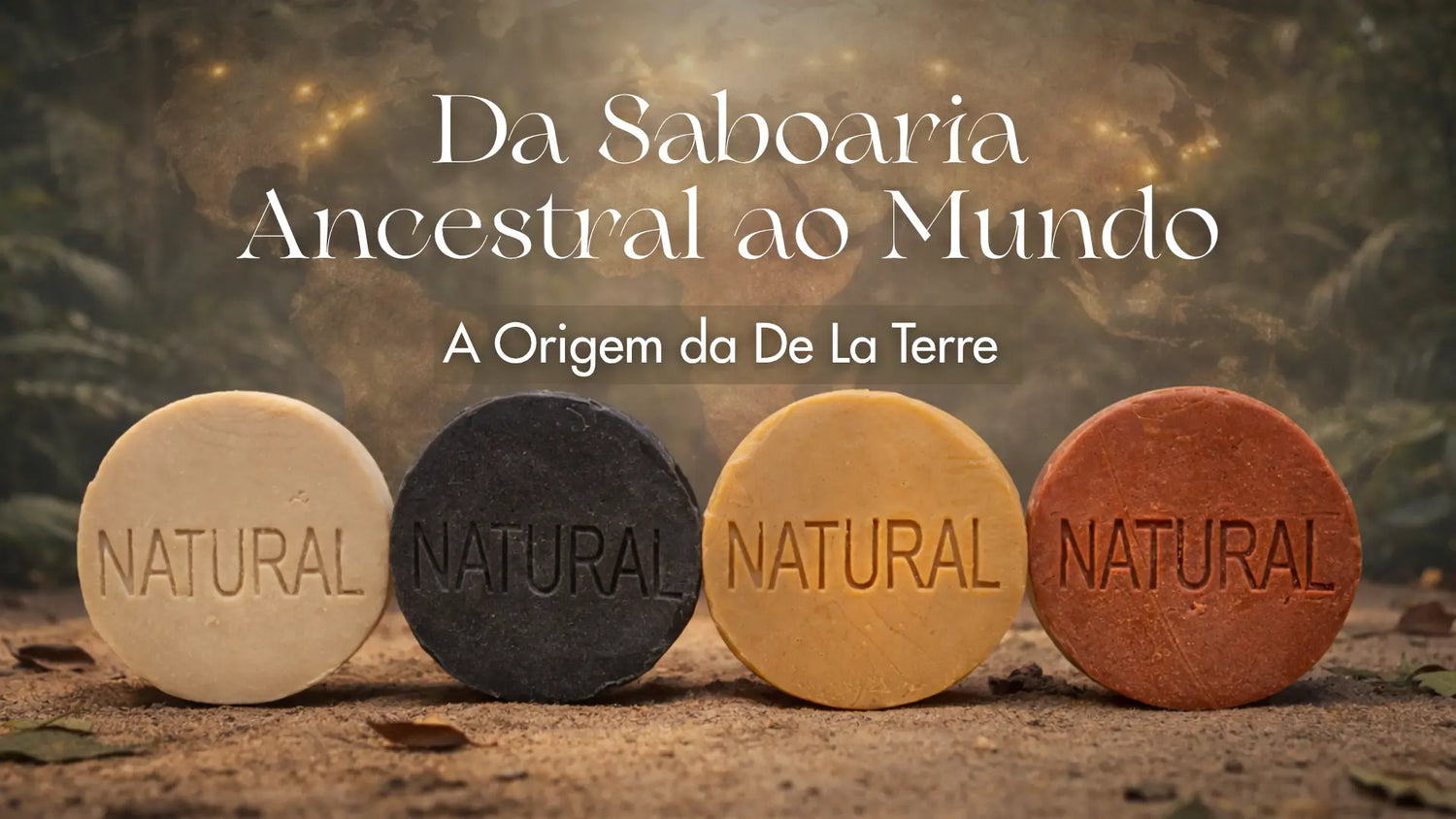
Before nanotechnology, before the NanoBioTech , De La Terre was born from soap.
That's where it all started.
I entered natural cosmetics through soap making . In the beginning, I worked with melted glycerin base, but very quickly that stopped making sense. Even though it was vegetable-based, it was too limited for what I wanted to build.
I was looking for something purer. More integrated. More alive.
That's when I delved into traditional soap making.
I was pregnant , finishing college and had just left my internship. I started with a mixer... and a dream.
The first formulas were born like this: no testing, no errors, no fine-tuning. Understanding every detail of the process.
Because soap making is ancient.
Since Mesopotamia, in 2800 BC, fats and ashes were combined for cleaning. Over time, this process evolved into what we now know as saponification, the reaction between vegetable oils and an alkaline base that forms soap and vegetable glycerin.
And it is exactly this principle that we follow to this day.
We work with noble vegetable oils, such as coconut, sunflower, castor, and palm kernel, which undergo this natural transformation. The glycerin formed remains in the formula, providing a more balanced cleanse, a luxurious feel that respects the skin.
We have maintained the essence of the ancestral method.
But we developed our own process to scale... without losing quality.
Over time, other lessons came.
Initially, I only used essential oils. Until I understood that not everything natural is, in fact, sustainable. Removal can be extremely harmful to nature.
Today, solutions are clean, free of harmful substances, and developed responsibly, both for the skin and the environment.
Because clean beauty, for me, was never just about the formula.
Our soaps are plastic-free. We use kraft and biodegradable vegetable cellophane packaging. From raw material to finished product, there is consistency.
And perhaps one of the most symbolic things about this story…
was seeing a 1kg formula, created in my kitchen, transform into large-scale production, being manufactured in tons and crossing oceans.
Today, De La Terre soap is present in several European countries.
But nothing changed in the essence .
The same principle .
The same base .
The same intention .
Not all soaps are the same, the feel, the experience, the hydration... and that's important.
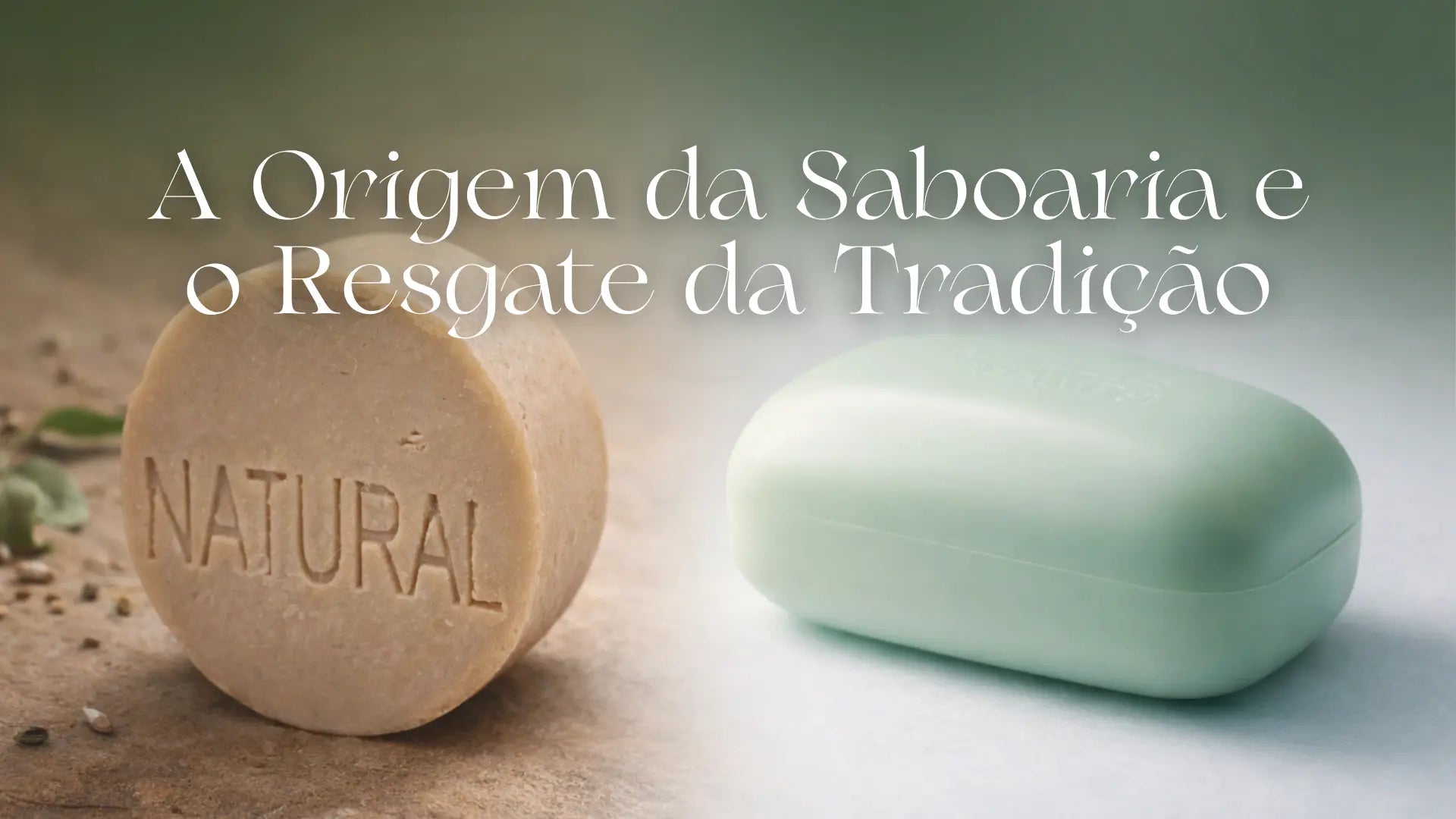
Saponified natural soap is born from the reaction between vegetable oils and an alkaline base, preserving the glycerin from the process. Syndets, on the other hand, are bars made with synthetic detergents, without saponification.
They work.
But they follow a different logic.
Our choice has always been clear:
preserve the process, respect the raw material, and maintain the integrity of the formula from start to finish.
De La Terre soap is not just a product.
It is the root of everything .
It's where the brand started... and it's what sustains everything that came after.
Text written with time and dedication,
Juliana Melo
Natural Cosmetologist and Founder of De La Terre
Natural Cosmetics & Green Biotechnology



Leave a comment
All comments are moderated before being published.
This site is protected by hCaptcha and the hCaptcha Privacy Policy and Terms of Service apply.